
I upgraded my last Windows 10 virtual machine from Windows 10 22H2 to Windows 11 25H2. The upgrade itself worked just fine (after I added a virtual TPM to the VM and expanded its available disk space). This was a media-based upgrade, using a 7GB (!) Windows 25H2 business editions x64 en-us ISO.
It was nice to see some new lock screen and background images:
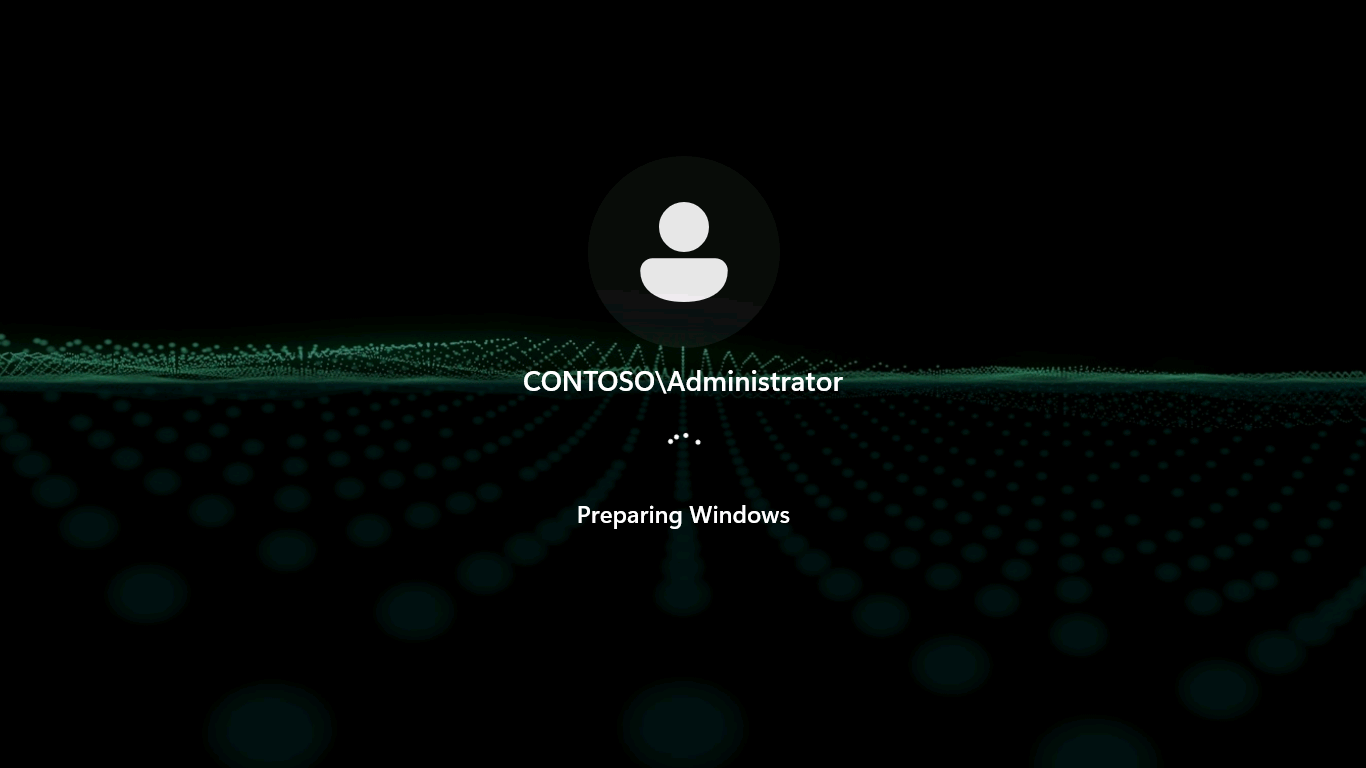

(Not sure what happened to the icon on the top right, but it’s a minor issue.)
During that upgrade, the Windows setup engine will download the “latest updates.” But what exactly does it download? Fortunately, we can figure that out from the logs. (For convenience, I’ll ignore the metadata downloads, appraiser files, FODs, and such — there’s just too many of them. All total, they do add megabytes of downloads, but I don’t have the patience to scan the logs to find and sum up all of them.)
| What | Size |
|---|---|
| Windows11.0-KB5066683-x64.cab (SetupDU) | 16,428,083 bytes |
| Windows11.0-KB5066835-x64.msu (LCU) | 3,591,245,399 bytes |
| SSU-26100-6893-x64.cab (SSU) | 133,505,223 bytes |
| Windows11.0-KB5043080-x64.wim (baseline LCU) | 533,761,740 bytes |
All total, that’s over 4GB worth of stuff — and unlike when downloaded via Windows Update, there are no byte range downloads here, just full file downloads that are then injected into the new OS before it boots for the first time.
Why have media when it needs to download the equivalent of 60% of that media? (At least it uses Delivery Optimization for those downloads, so in theory they will be using peer-to-peer.)
So what can you do about it?
Well, you can choose not to use media-based upgrades. If you upgrade “from the cloud” (e.g. Windows Update, Autopatch), you’ll get UUP content that’s automatically kept up to date every month. How big will that download end up being? A good question, try it and see if you can measure it…
But if you must do media-based upgrades (anything that involves you running “setup.exe /auto upgrade”), you can do some things:
- Specify an appropriate /DynamicUpdate option. See the docs for the valid options. If you do this, you probably also want to do the next item.
- Download the latest media each month from the M365 Admin Center or Visual Studio Online. By itself, I’m not 100% sure this does any good (for example, even though I was using Windows 11 25H2 media, it still downloaded the September 2024 baseline LCU), so you probably want to combine it with the previous item.
- If you do enable all the Dynamic Update options, make sure you have Delivery Optimization configured appropriately. You really want this stuff to be downloaded from peers.
And keep in mind that you’ll see gigabytes more of downloads once the new OS version is up and running, after the latest store apps, Edge, OneDrive, and other random stuff in Windows downloads and installs updates.


 Out of Office Hours